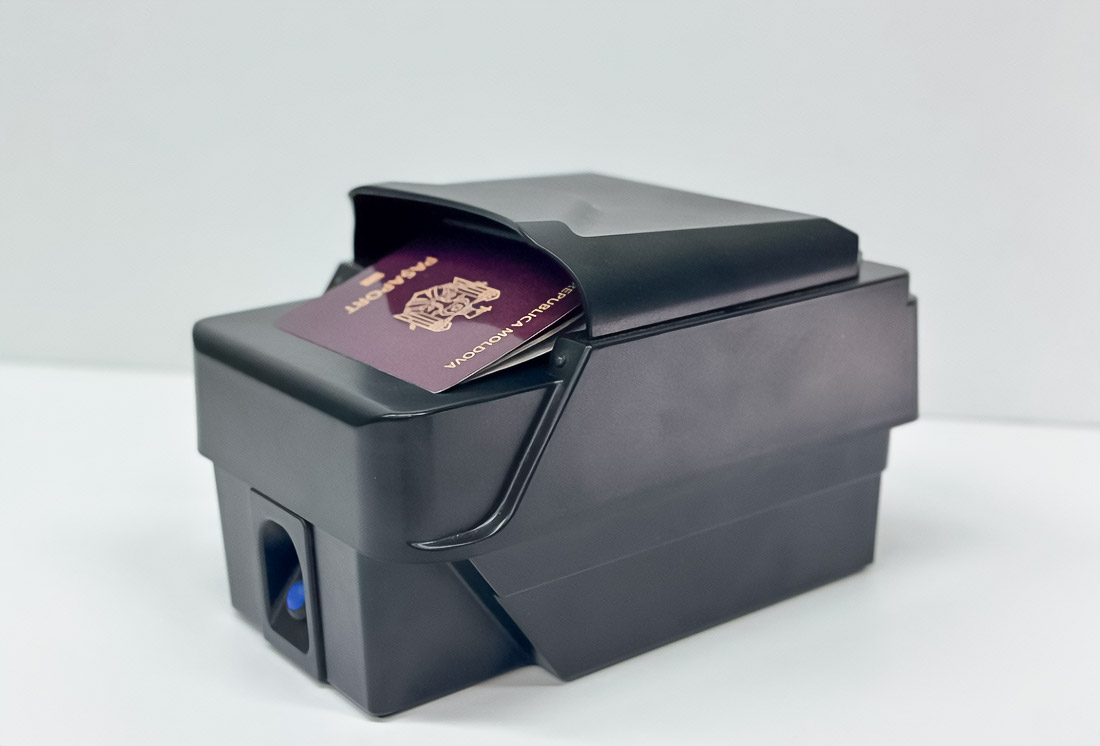
Most operational errors in the hotel business do not arise from a lack of data but from the inability to see them in their entirety. Overbooking, ineffective promotions, overloaded staff on some days and idle on others are all the result of information fragmentation. Ratings are falling not because the systems are not working, but because management decisions are made without timely analytics.
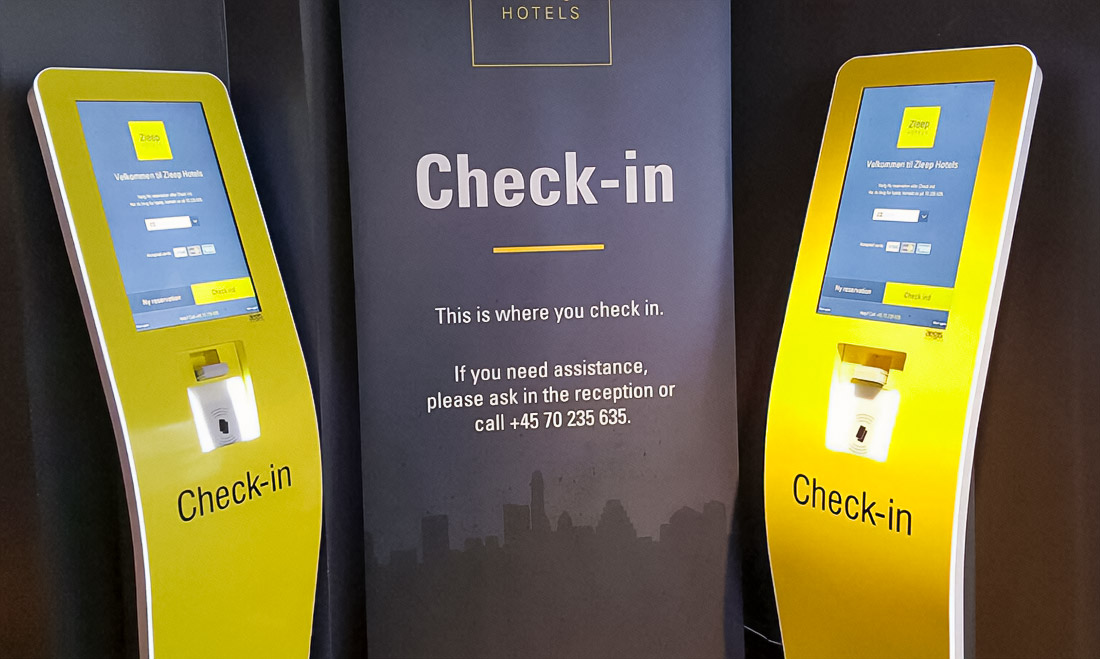
In a typical hotel, data is distributed between booking systems, room management, financial modules, CRM, sales channels, and guest reviews. Each system solves its own problem, but there is rarely a single context between them. As a result, managers see individual indicators but not relationships: how loading affects costs, which channels bring the most valuable guests, and how income changes with an increase or decrease in occupancy. This fragmentation also limits the effectiveness of modern service models such as contactless check in, where operational accuracy depends on clean, synchronised data across systems.
From Intuition to Data-Driven Management

The data-driven approach means abandoning “eye-to-eye” solutions in favour of analysing historical and real-time data. This does not require a complete replacement of the IT infrastructure. In practice, it is enough to combine key sources – bookings, downloads, finances, sales, and guest data – and present them in the form of clear dashboards and KPIs.
When metrics are available in one place, analysis time is reduced and decision accuracy is improved. Managers get the opportunity to:
- Track downloads with filters by date, room category, and sales channel
- Find days with low occupancy and compare them with historical periods
- Analyze income and costs in relation to actual employment
- Plan staff and resources based on forecasts, not assumptions
Such visibility is especially important for hotels implementing self check in hotel processes, where staffing, room readiness, and access control must be coordinated in real time.Even a small increase in data transparency can lead to tangible savings and more stable planning.
Business Analytics and Revenue Management
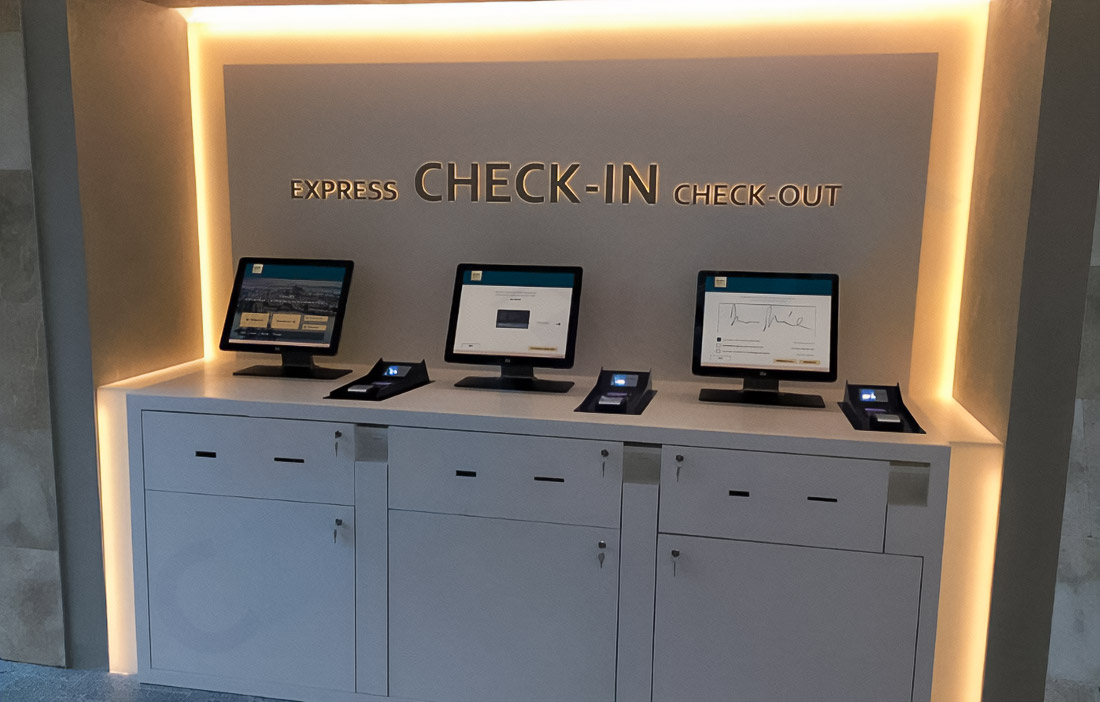
One of the key uses of analytics is revenue management. Analysing demand, seasonality, booking rates, and competitor prices allows you to use dynamic pricing without the risk of underselling or creating overbooking. Indicators like ADR and RevPAR are no longer static reporting figures and are becoming an operational management tool.
Forecasting demand makes it possible to adjust prices and stocks in advance, rather than reacting after the fact. This is especially important during periods of peaks and troughs, when an error in calculations directly affects income.
Personalization and a Single Guest Profile
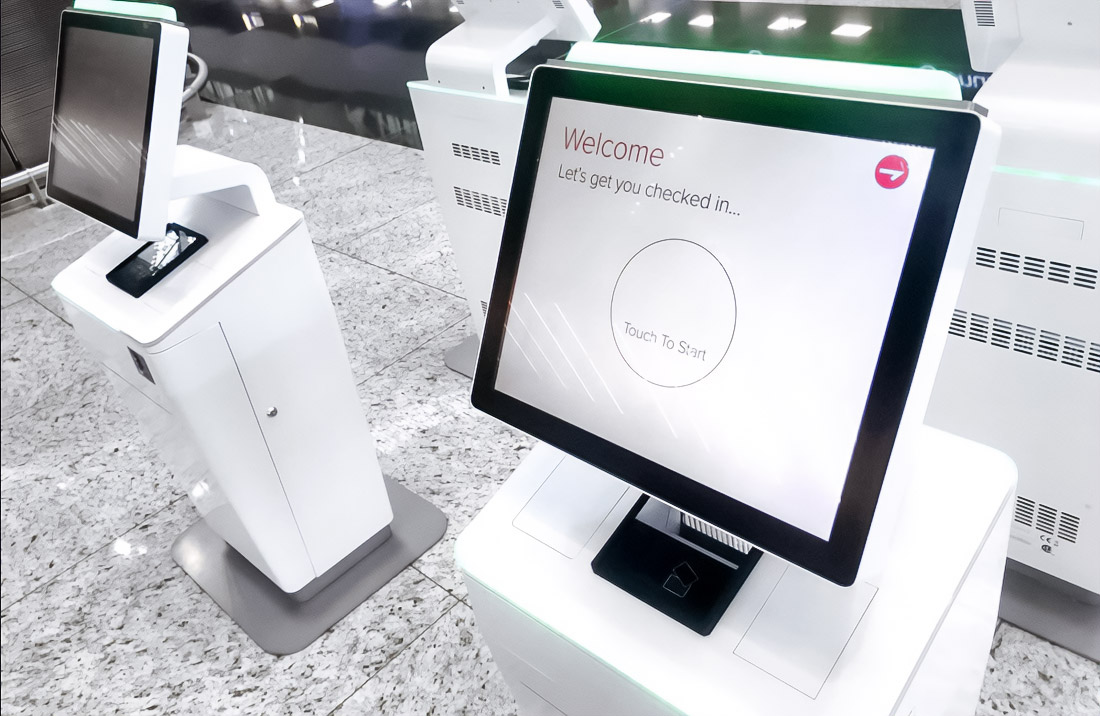
The modern customer journey is rarely limited to one channel. On average, one guest can have up to 42 digital contact points before booking. Without combining these interactions, data is duplicated, profiles fall apart, and communication loses accuracy.
Identity resolution allows you to assemble a single guest profile from disparate data: bookings, online behaviour, accommodation history, preferences, and feedback. This is the basis for segmentation and personalisation. Targeted communications show significantly better results: segmented mailings are opened twice as often, and the conversion rate can be five times higher than for mass messages.
In addition to marketing, a single profile also affects the service: the staff understands who is in front of them, what requests they had before and can offer relevant experience without unnecessary questions.
Artificial Intelligence as a Tool, Not a Substitute for Humans
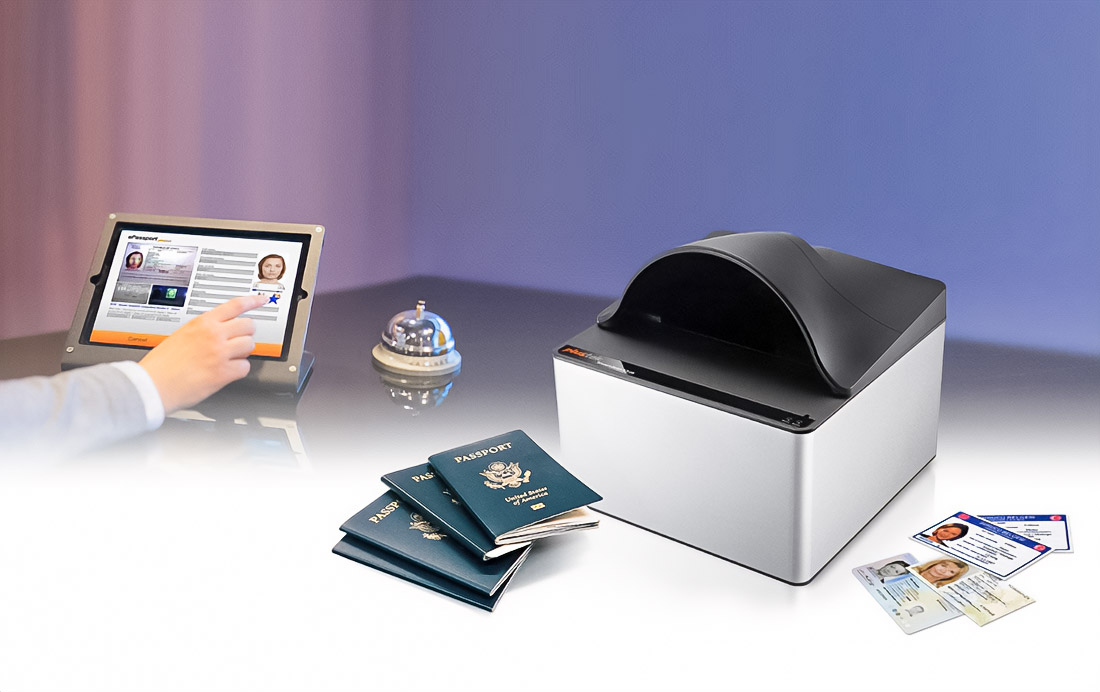
Artificial intelligence and machine learning enhance analytics but do not replace management decisions. According to research, 86% of employers expect AI and information processing to transform businesses by 2030, with almost half of companies planning role reassignment rather than full automation.
In the hotel industry, AI is used for forecasting, recommendations, review analysis, automation of routine processes, and processing large amounts of data. This allows staff to focus on tasks where human contact is important, while automation supports scalable models like contactless check in without sacrificing service quality.
Operational Efficiency and Cost Control
Real-time analytics is changing the way operations are managed. Planning shifts, cleaning, maintenance, and purchases is becoming tied to actual workload and forecast, rather than fixed schedules. This reduces resource overruns and increases the speed of reaction to changes.
Practice shows that using operational dashboards can increase the efficiency of individual processes by 30-40%, while reducing the number of complaints and operational failures.
Data, privacy, and Trust
The more data is used, the higher the requirements for its quality and security. Fragmented and dirty data not only interfere with analytics but also pose risks in terms of compliance with information security requirements. The transition to first-party data and proper profile management helps to simultaneously increase the accuracy of analytics and the level of trust on the part of guests.
Research shows that 8 out of 10 facilities record revenue growth after implementing strategies for working with their own data, without dependence on third-party identifiers.
The Culture of Working With Data
The key difference between sustainably successful facilities is not a set of tools, but a culture. The data is no longer a “once a month” report and becomes part of the daily work. When all departments rely on the same metrics and dashboards, the gaps between marketing, operations, and service disappear.
With technology investments growing – 94% of managers plan to increase investments by an average of 16% per year – it’s not those with more systems who benefit, but those who turn data into actions faster.
Instead of Output
The hotel business has always been built on emotion and service, but today it is not enough. Data-based management, analytics, and automation allow you not to guess but to understand. Not to react, but to predict. Not to complicate the processes, but to make them transparent.
Almost every hotel already has the data. The only question is whether they are used as a set of disparate numbers or as the basis for informed decisions, sustainable revenue, and predictable operational efficiency.

Surfer, feminist, music blogger, Saul Bass fan and front-end developer. Working at the nexus of simplicity and elegance to craft experiences that go beyond design. Concept is the foundation of everything else.