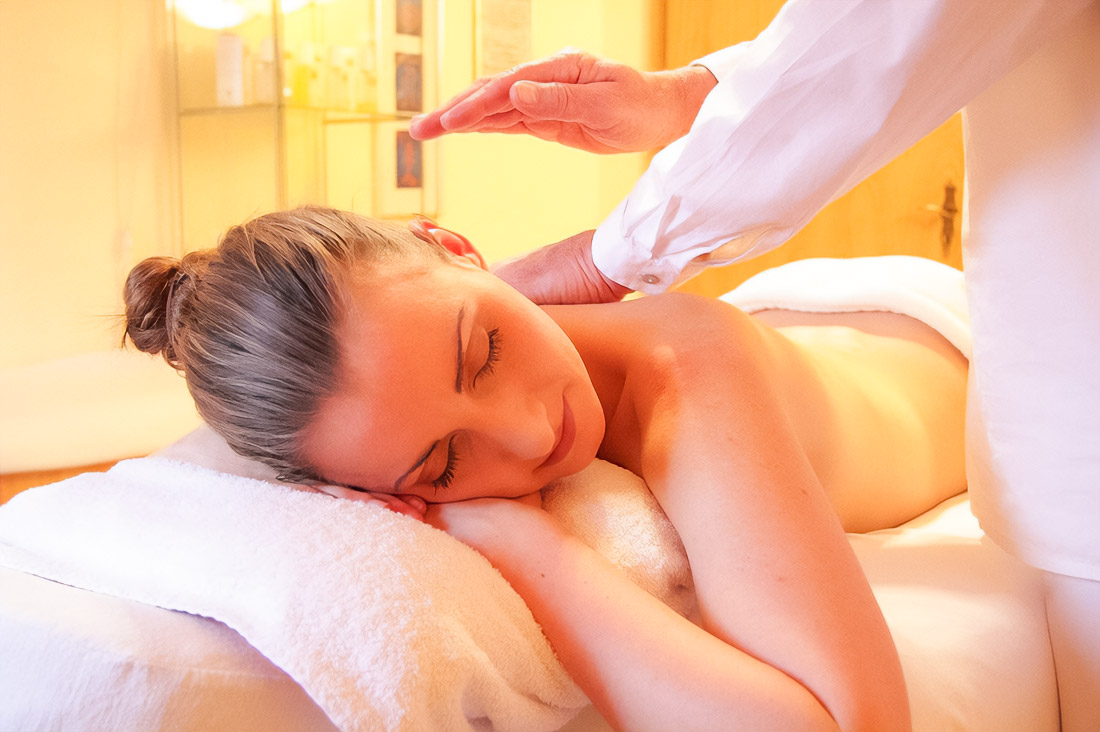
Wellness has long ceased to be a “pleasant bonus” for a vacation or a beautiful picture from a Spa & Massage hotel. It has become the language in which people describe their condition, their decisions, and even their priorities. Where to live. How to relax. What to waste time on. And why prevention is sometimes more important than another trip to “just relax.” Global wellness tourism is growing by about 10% per year and has already crossed the $500 billion mark. This is not an accident or a fashion. It is a reaction to fatigue, stress, overload, and a desire to regain balance physically, mentally, and emotionally. At the same time, wellness trips account for about 15% of the tourist market, and in some estimates, up to one in seven dollars in travel expenses. And yes, the inbound segment plays a significant role here: more than 65% of revenue comes from international travelers who go not to “see”, but to recover.
A Vacation That Works: Wellness Tourism As A Transformation
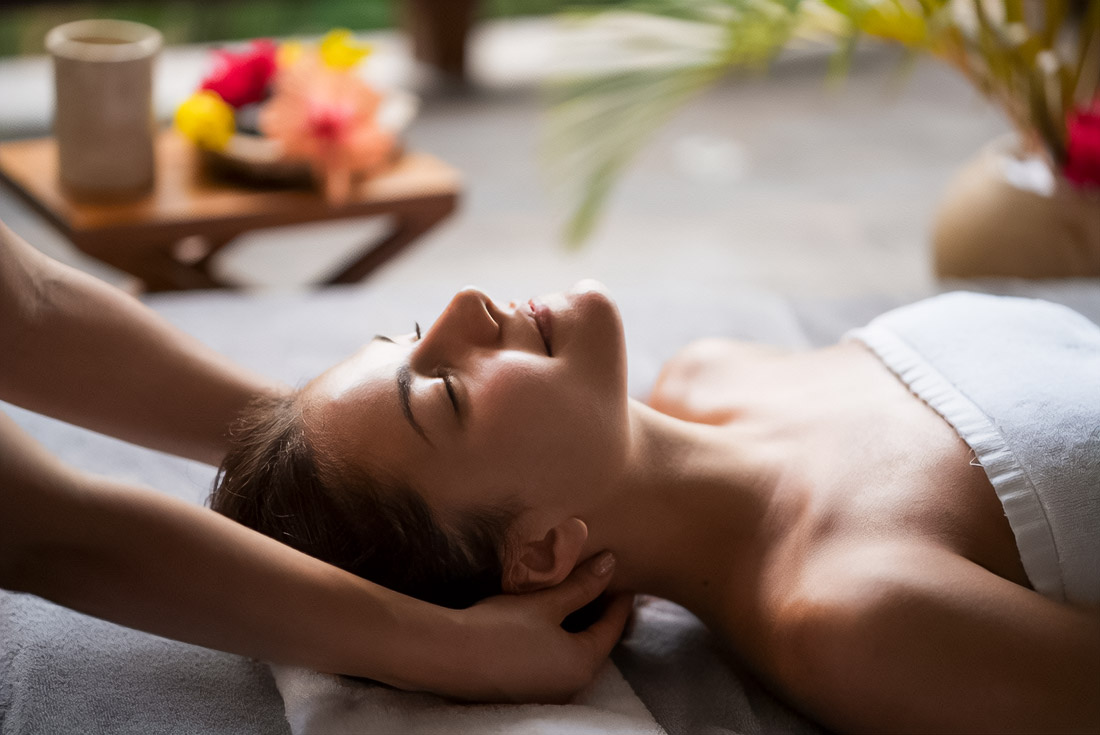
Everything used to be simpler. Spa, massage, pool, sleep. Today wellness tourismis built around holistic wellbeing: body, mind, habits, nutrition, movement, recovery, stress management. Mindfulness sessions, fitness, breathing practices, diet consultations and gentle therapeutic procedures can be combined in one package. It’s not about luxury for the sake of luxury. It’s about lifestyle transformation, sometimes short, sometimes long, but tangible.
That is why the demand for experiential wellness and transformative travel has grown so much. People don’t want to “spend time”, but to get out of the trip differently: calmer, more collected, healthier. Not perfect. But it’s noticeable.
Spa Culture Is Changing: Luxury Remains, Meaning Deepens
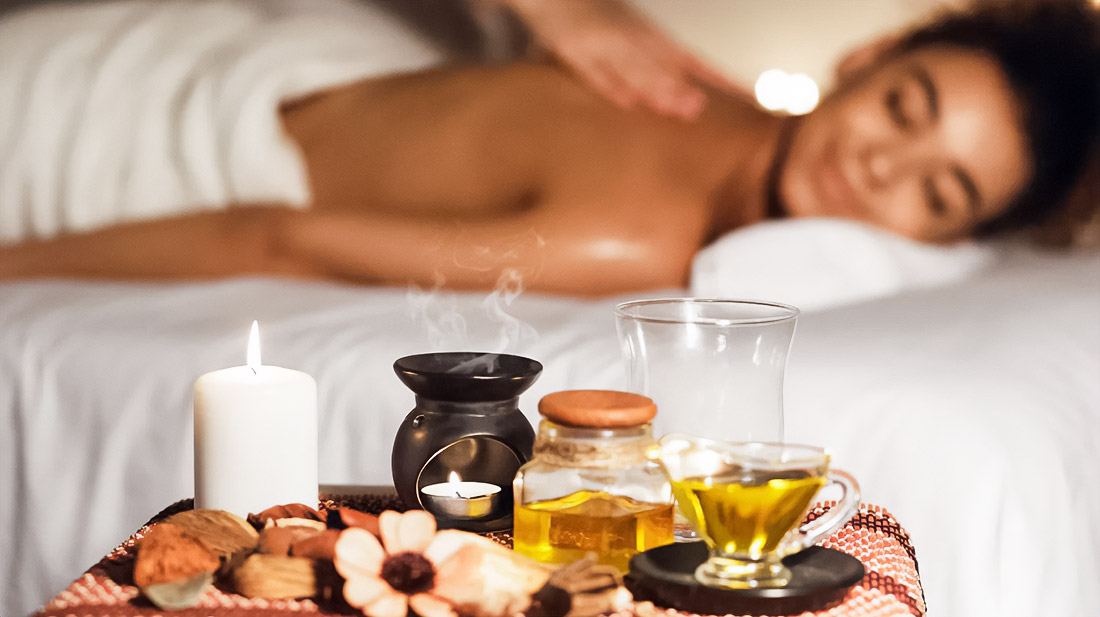
Spa culture remains the foundation of the wellness ecosystem, but “spa” is rarely limited to relaxation anymore. Spa resorts are increasingly working at the intersection of restorative practices and medical wellness. More accurate recovery protocols, personalized approaches, and a combination of traditional methods and new technologies are emerging. This is the very integration of traditional and modern techniques that the market now values especially highly.
There are also numbers that are difficult to ignore. The growth of the spa market in some regions has exceeded 25-30% over the decade, and this is noticeably faster than the global average. The number of spa facilities increased many times, and the income per location was often higher than the global average. This means a simple thing: people are willing to pay for quality, depth, and a unique experience, rather than for the same procedures “down the list.”
Prevention, Longevity And Health As Capital
The strongest change is the convergence of wellness and medicine. Preventive healthcare, integrative medicine, regenerative therapies, biohacking, and longevity programs all form a new layer of the industry, where the goal is not to “fix”, but not to break down. And it affects the economy. Medical and wellness tourism is already estimated at double-digit billions of dollars in national economies, and many development strategies aim to enter the top 5 global destinations.
Wellness real estate is growing in parallel. Housing, where air, light, green areas, silence, walking routes and infrastructure for fitness lifestyle are important, is perceived as an investment in quality of life. And often a family one. It’s a long one. Conscious.
The concept of health capital appears: health as an asset that cannot be bought at the last moment. It can only be grown. With habits. With the restoration. With a choice in favor of sustainable wellbeing and eco-conscious wellness, when sustainability is not a decoration, but part of a holistic approach.
Wellness has become the new norm. Strict in places. Soft in places. But already irreversible.
Surfer, feminist, music blogger, Saul Bass fan and front-end developer. Working at the nexus of simplicity and elegance to craft experiences that go beyond design. Concept is the foundation of everything else.